

Last Updated: November 22, 2026
Quick Summary
The best alternatives to standard workwear for warehouse staff are task-based garments chosen for movement, fabric performance and zone, rather than one uniform for everyone. Choose trousers with room to work, durable polycotton or stretch blends, and layered systems for cold stores, with hi-vis kept on top.
- Choose trousers with a gusset, stretch panels or relaxed seat for staff who squat, climb and twist.
- Polycotton trousers such as the Pro RTX Pro Workwear Cargo Trousers suit tasks needing multiple tool pockets.
- Compare fabrics by cost per wear, dividing purchase price by realistic washes before failure rather than comparing sticker prices.
- Build cold-environment kits as removable layers: moisture-managing base, fleece or sweatshirt mid-layer, and hi-vis outer layer.
- Order a sample set and have a small group wear it for a full shift before committing across the site.
Table of Contents
- Why Standard Warehouse Workwear Falls Short for Many Teams
- Comfortable Workwear for Warehouse Staff: Choosing Fit and Movement First
- Warehouse Workwear Fabrics: Cotton Blends, Polycotton and Fleece Compared
- High-Visibility Clothing for Warehouse Workers: Meeting the Standard Without Standard Kit
- Warehouse Workwear for Cold Environments: Layering That Works
- Side-by-Side: Trousers, Tops and Layers Compared by Task and Zone
- Planning Your Switch: Cost, Sizing and Lifecycle Checks Before You Order
- Frequently Asked Questions
Warehouse teams often wear the same standard kit year after year, even when it doesn't suit the job. The right alternatives to standard workwear for warehouse staff can improve comfort, movement and visibility without raising costs. EG Clothing supplies UK workwear that can be customised in-house, so teams can compare options that fit their work rather than defaulting to one uniform for everyone.
Most warehouse staff spend long shifts lifting, bending, reaching and walking on hard floors. Clothing that restricts movement or traps heat quickly becomes a problem. Procurement teams and operations managers are now asking whether a different approach would work better for their staff.
Why Standard Warehouse Workwear Falls Short for Many Teams
Standard warehouse workwear is often chosen for convenience. For more on this, see the guide to customised workwear items for logistics teams. One fabric, one cut, one colour across the whole site. That approach ignores the fact that a picker on a racking aisle has different needs from a driver at a loading bay or a worker in a cold store.
A common problem is fit. Garments cut for an average build can bunch at the knee or ride up at the waist when staff bend repeatedly. Teams also report overheating in summer and insufficient warmth in winter, because one layer rarely covers both conditions.
Durability is another gap. Thin fabrics wear through at stress points, and fading can reduce the visibility a hi-vis garment is meant to provide.
Comfortable Workwear for Warehouse Staff: Choosing Fit and Movement First
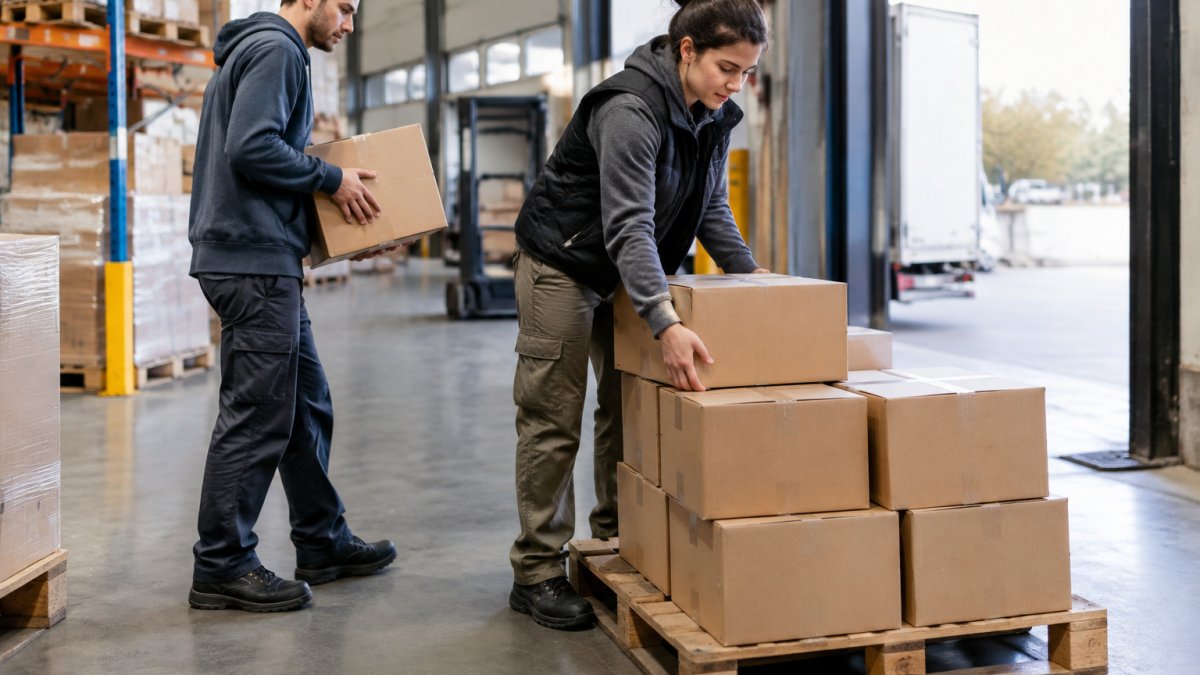
Start with how people actually move on shift. A worker who squats, climbs and twists needs trousers with a gusset, stretch panels or a relaxed seat. A sweatshirt with ribbed cuffs and hem stays in place when arms reach overhead.
The Pro RTX Pro Workwear Cargo Trousers suit teams who need multiple pockets for tools and accessories. They are built from a durable polycotton blend and designed for a regular fit during long shifts. The Pro RTX Pro Tradesman Trousers offer a tailored, multi-pocket design with stretch-enhanced fabric, and they are available in black.
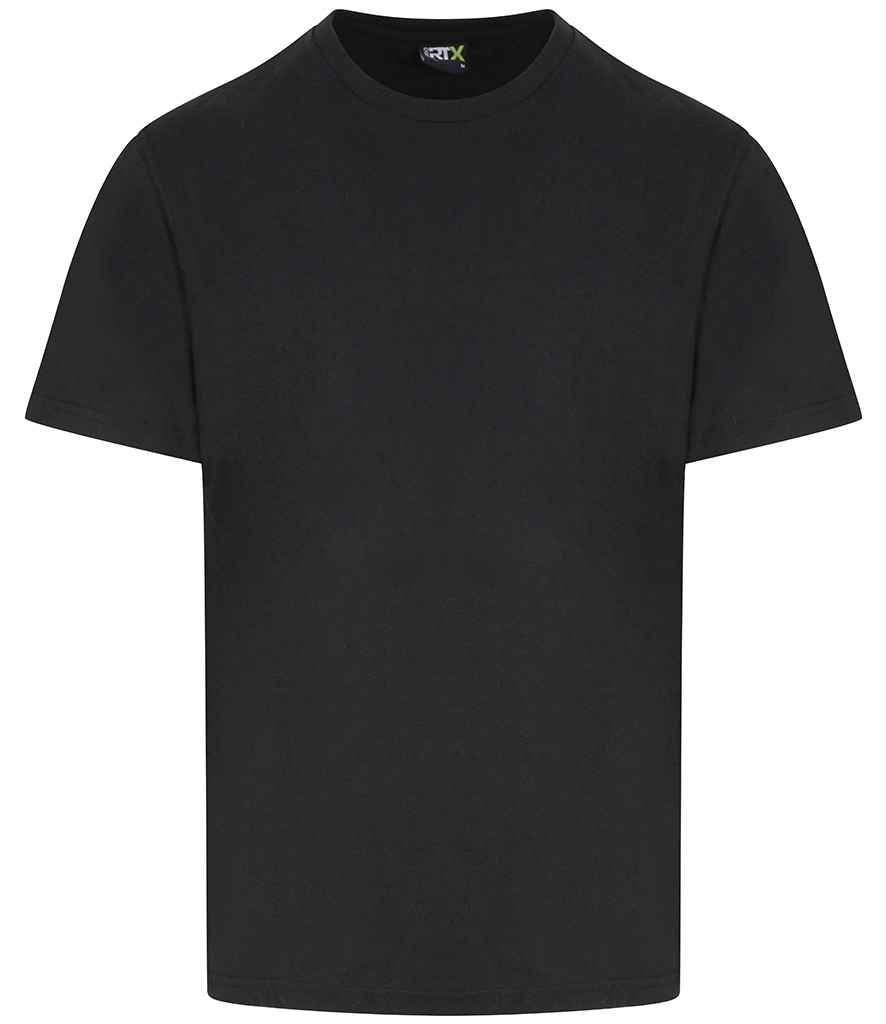
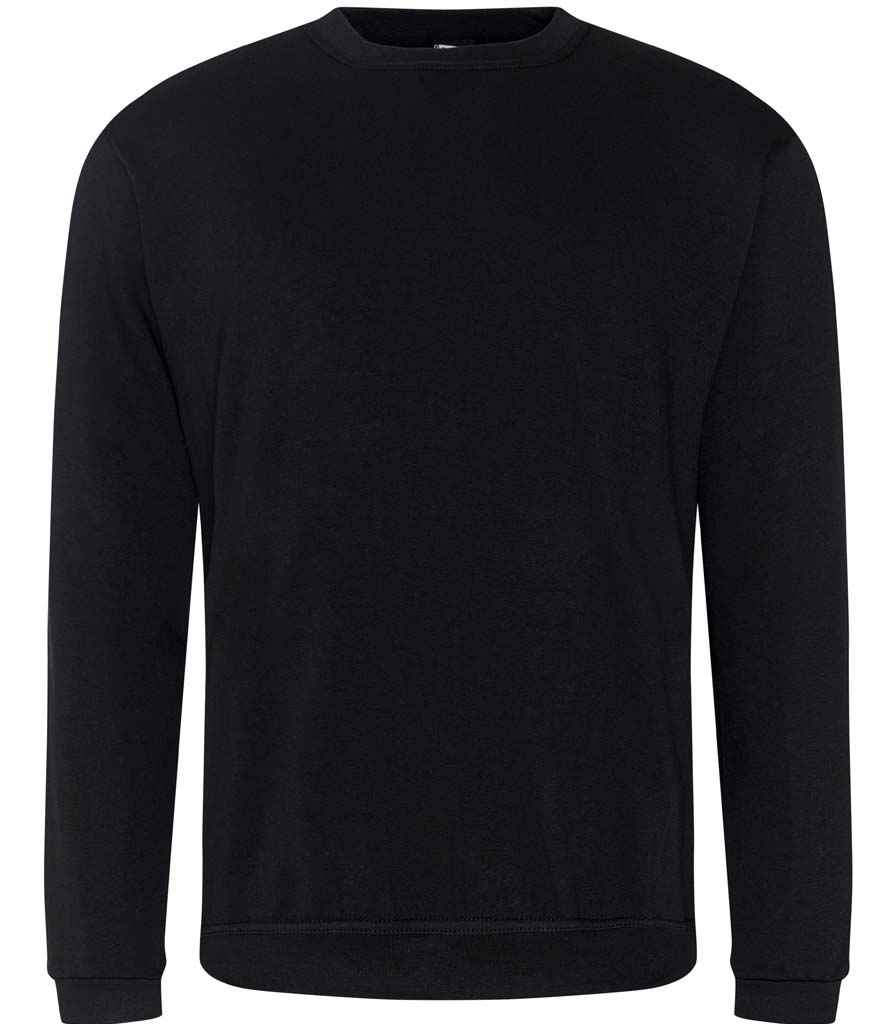
Tops matter just as much. The Pro RTX Polycotton Sweatshirt has a soft brushed interior and a classic crew neck, and is suited to uniforms and everyday workwear. Teams that need a lighter option can consider the Pro RTX Pro T-Shirt, which has a ribbed collar and side seams for a structured fit and is made for printing or embroidery.
Best for: teams where staff move constantly and need trousers with room to work.
Skip if: your staff mostly stand at fixed stations, where a simpler cut may do.
Warehouse Workwear Fabrics: Cotton Blends, Polycotton and Fleece Compared
Fabric is where most 'alternative' workwear decisions are actually won or lost. Two garments can look identical on a hanger and behave completely differently after fifty industrial washes. For warehouse teams, the useful comparison is not 'cotton versus polyester' in the abstract but how each blend performs against four pressures: repeated hot washing, abrasion at stress points, heat build-up during movement, and colour or brightness retention.
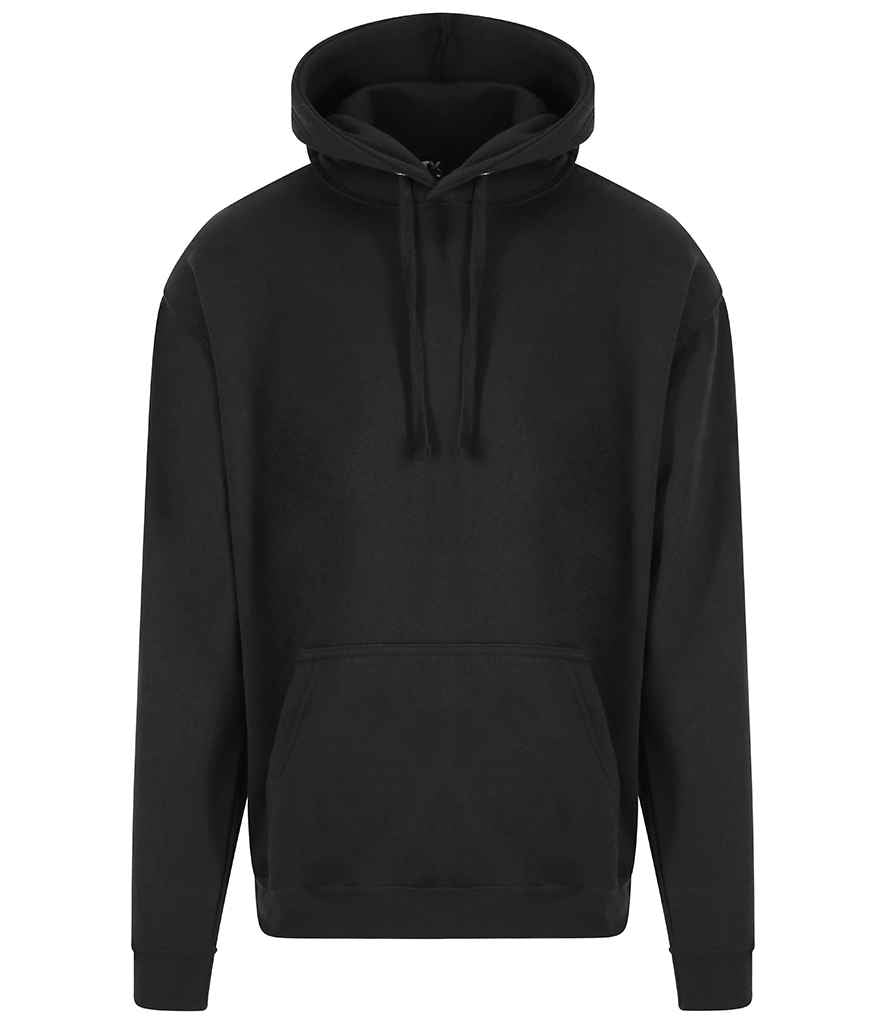
Cotton and cotton-rich blends. Cotton is soft, breathable and comfortable against the skin, which makes it a comfortable choice for many workers. Its weakness is dimensional stability: pure cotton shrinks, creases and wears thin at knees, cuffs and seat seams faster than blended fabrics. The Pro RTX Hoodie Cotton Blend uses reinforced twin-needle stitching for its seams and is machine washable at 60°C.
Polycotton. A polyester-cotton mix is the workhorse of warehouse trousers for good reason. The polyester adds strength and helps the garment hold its shape, while the cotton keeps it comfortable next to the skin. The Pro RTX Pro Workwear Cargo Trousers use a durable polycotton blend, and the Pro RTX Pro Tradesman Trousers use a poly-cotton blend with stretch-enhanced fabric.
Fleece. Fleece delivers warmth for very little weight, which is why it dominates mid-layers for cold stores and winter loading bays. It is not, however, a durability fabric. Fleece pills, loses its loft and can shed fibres over time, and it is prone to snagging on racking and pallet edges. Treat fleece as a mid-layer that is replaced on a shorter cycle than your trousers, not as an outer garment.
The comparison that matters: cost per wear, not sticker price. A common pattern in procurement is to compare garments on unit price alone. A more reliable method is to divide purchase price by the number of washes the garment realistically survives before it fails at a stress point or loses its finish.
Watch out: hi-vis brightness is a fabric property as much as a design one. A fluorescent garment that fades below the required performance level stops doing its job even though it still looks 'hi-vis' in the stores. Confirm the wash regime with your supplier before you standardise on a fabric across a site.
High-Visibility Clothing for Warehouse Workers: Meeting the Standard Without Standard Kit
High-visibility clothing is a legal requirement on many sites, and it should be chosen for the task as well as the fit (High visibility clothing). Under UK health and safety law, employers are expected to assess the risks of working near moving vehicles and provide suitable visibility clothing where needed (High visibility clothing).
Standard kit is not always the only route to compliance. Teams can keep a hi-vis layer over workwear designed for their tasks, rather than wearing a single generic uniform. You can browse the First Aider High Visibility Vest in Yellow Green and check its markings against your site's requirements. Check that any hi-vis garment carries the correct standard marking for your site.
Warehouse Workwear for Cold Environments: Layering That Works
Cold-store and chilled areas are where a single standard uniform fails most visibly. The problem is not simply warmth, it is the repeated transition between a freezer aisle, a chilled picking zone and an ambient loading bay. Staff who wear one heavy garment overheat on the dock, sweat, then chill rapidly when they return to the cold. The alternative to a single cold-weather uniform is a modular layer system that staff can adjust by zone and by task.
Build the system in three functional layers. A moisture-managing base top sits next to the skin and moves sweat away rather than holding it. A fleece or sweatshirt mid-layer provides the bulk of the insulation and is the layer staff add or remove most often. A hi-vis outer layer provides visibility and a degree of wind resistance, and it must be sized to fit over the layers beneath without restricting arm movement. For a fleece option, see the Crusader Fleece Jacket.
Match the layer count to the zone, not the person. A common mistake is to issue the warmest possible garment to everyone 'for the cold store'. That produces overheating during fast picking and during transit between zones. A more reliable approach is to define zones, ambient, chilled, frozen, and transitional doorways, and specify a default layer configuration for each. Staff then carry or store the mid-layer at the zone boundary.
Manage moisture deliberately. Condensation and sweat are the main cause of cold stress in freezer work, because wet clothing loses insulation value. Breathable mid-layers and moisture-managing base tops matter more here than added thickness. Avoid waterproof outer shells for indoor cold work unless the task genuinely involves wet conditions, because a non-breathable shell traps sweat and makes the chill worse when the worker stops moving.
Check compliance for the outer layer. Where the role involves moving vehicles, forklifts or shared pedestrian routes, the outer layer still needs to meet the site's visibility requirements. Under UK health and safety law, employers are expected to assess the risks of work near moving vehicles and provide suitable visibility clothing where the assessment calls for it (High visibility clothing).
Plan for the practicalities. Cold-environment layering adds garment count per worker, which affects locker space, laundering volume and replacement budgeting. A modular system usually costs more up front than one heavy jacket, but it reduces the number of garments that fail early through overheating-related wear and gives staff a configuration that suits mixed indoor-outdoor shifts.
Watch out: layering too heavily for a fast-paced picking task can cause overheating and sweating that then becomes dangerous on return to the cold. Adjust the number of layers by zone and task rather than issuing the warmest configuration to everyone.
Side-by-Side: Trousers, Tops and Layers Compared by Task and Zone
Choosing by task and zone usually works better than picking one item for the whole site. The table below compares the EG Clothing products covered in this guide.
| Product | Starting Price | Fabric | Best For |
|---|---|---|---|
| Pro RTX Pro T-Shirt | £5.53 | Cotton blend | Lightweight base layer and branded tops |
| Pro RTX Polycotton Sweatshirt | £9.82 | Cotton-polyester blend | Mid-layer for general warehouse work |
| Pro RTX Hoodie Cotton Blend | £12.37 | Cotton-rich blend | Warm layer and branded everyday wear |
| Pro RTX Pro Workwear Cargo Trousers | £18.13 | Polycotton | Picking and tasks needing tool pockets |
| Pro RTX Pro Tradesman Trousers | £19.78 | Poly-cotton with stretch | Active tasks needing mobility |
Starting Price
Trousers should be chosen for movement and storage. Tops should be chosen for layering and branding. Keep the cheaper T-shirt for warmer zones and reserve hoodies and sweatshirts for cooler areas.
Planning Your Switch: Cost, Sizing and Lifecycle Checks Before You Order
Changing workwear suppliers involves more than comparing prices. Before committing, read about the benefits of switching custom workwear suppliers. Order a sample set for a small group of staff before committing across the site. Ask them to wear the kit for a full shift and note where it restricts movement or overheats.
Sizing needs particular care. Check size charts against the actual fit of the garments, and offer a range that suits all builds on the team. Plan for replacement cycles too. Reordering the same style later avoids mismatched batches, which matters when branding needs to stay consistent.
For a budget view, compare cost per wear rather than the sticker price alone. A slightly dearer trouser that lasts twice as long can be the cheaper choice over a year.
Teams ready to compare the range can review the options on the EG Clothing site and start branding their workwear.
Frequently Asked Questions
What can warehouse staff wear instead of standard workwear?
Many warehouses allow branded or own-choice clothing as long as it meets the employer's risk assessment. Practical alternatives include polycotton cargo trousers, cotton-rich hoodies and sweatshirts for layering, and branded T-shirts for lower-risk zones. EG Clothing's Pro RTX Pro Workwear Cargo Trousers start at £18.13 and the Pro RTX Pro Tradesman Trousers | Black at £19.78, both machine washable at 60°C. Check with your safety lead before changing the uniform policy, because some zones need specific protective kit.
What clothing is suitable for working in a warehouse?
Suitable warehouse clothing is durable, unrestricting and easy to keep clean. Trousers with reinforced stitching and utility pockets suit picking and loading tasks, while a sweatshirt or hoodie gives warmth without bulk. The Pro RTX Polycotton Sweatshirt starts at £9.82 and the Pro RTX Hoodie Cotton Blend at £12.37. Avoid loose sleeves or hanging cords near machinery, and always check your site's risk assessment for required protective equipment.
Which fabrics are best for warehouse work?
Polycotton blends are a common choice because they combine durability with comfort. Cotton-rich fabrics feel comfortable against the skin. Look for fabrics that tolerate 60°C machine washing if your team needs regular cleaning. Stretch-enhanced trousers offer added flexibility for active roles.
Do warehouse workers need high-visibility clothing?
Whether high-visibility clothing is required depends on your site's risk assessment, particularly where forklifts, vehicles or pedestrians share routes. Under UK health and safety law, employers must assess risks and provide suitable PPE where needed, and hi-vis garments should carry the correct standard marking for your site. A branded hoodie or T-shirt is not a substitute for certified hi-vis in traffic areas, so keep compliant high-visibility layers for those zones.
