

Last Updated: November 15, 2026
Quick Summary
Comfortable chef uniforms come down to four things: fabric weight that lets heat escape, a cut that doesn't fight your range of movement, fastenings you can operate quickly, and a fit that stays put through a ten-hour shift. A 195GSM polycotton blend is a sensible middle ground for most kitchens, light enough to stay cool and heavy enough to survive repeated washing. Order one sample in the middle size before committing a full team order so staff can test the fit checks in a real kitchen.
- A short-sleeve jacket with a mandarin collar reduces heat build-up around the neck and arms.
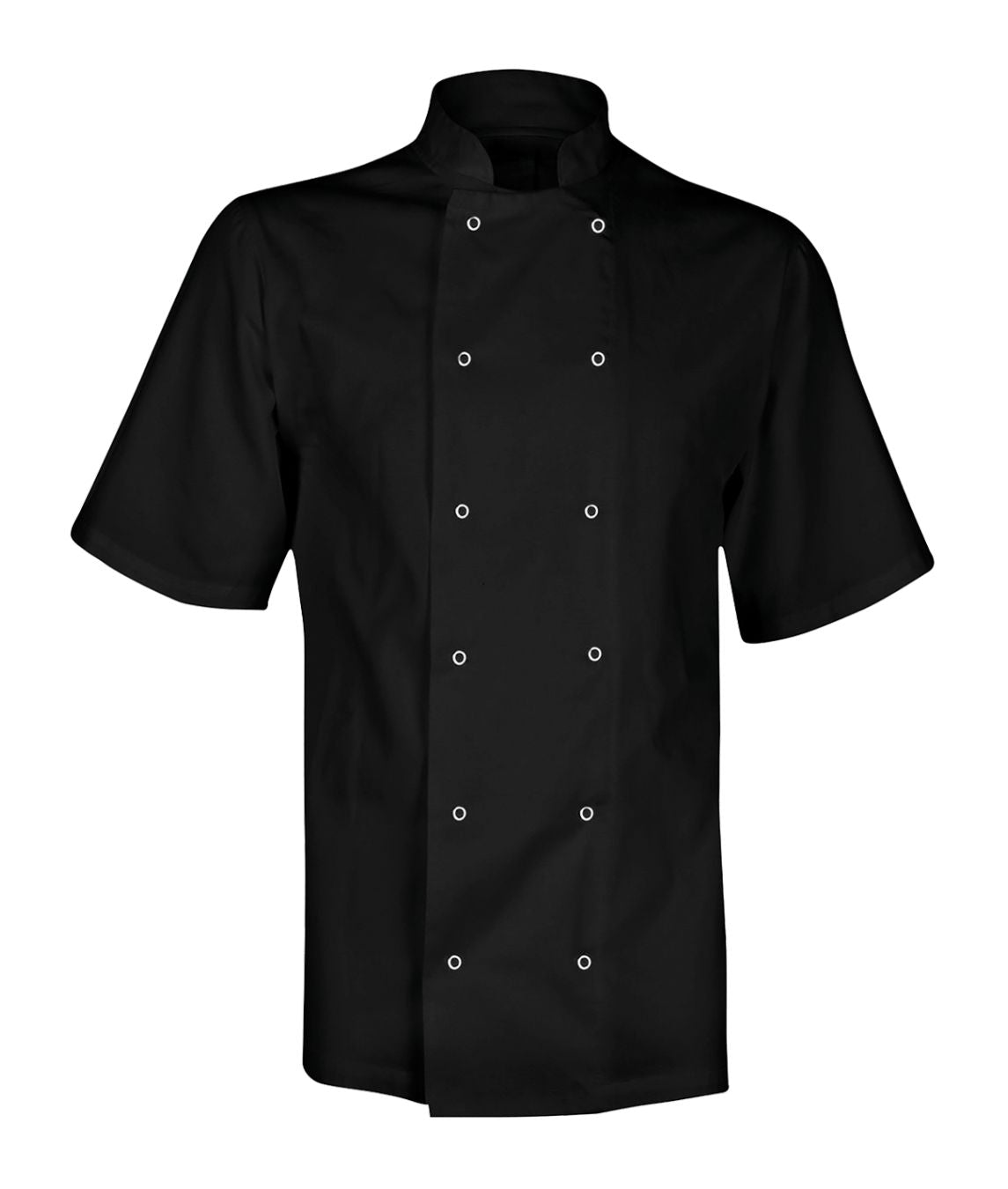
- The Chef Jacket Unisex 195GSM is a lightweight option at £11.96.
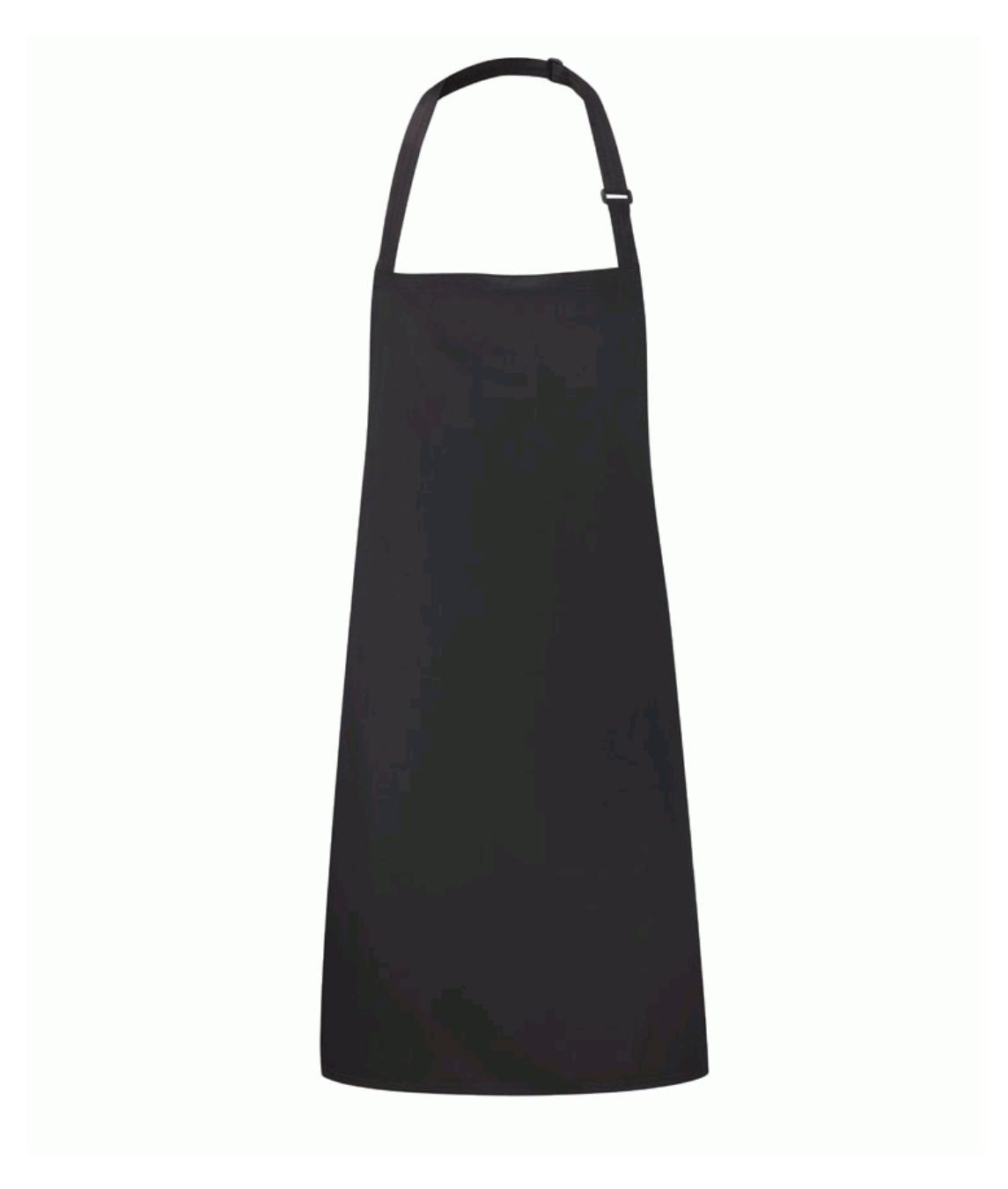
- The Adjustable Unisex Bib Apron at £5.77 covers chest and waist with an adjustable neck strap.
- Skip fabric softener, which coats fibres and reduces breathability over time.
- For anyone between sizes, choose the larger one and use apron ties to bring in the waist.
Table of Contents
- What Makes a Chef Uniform Comfortable for a Full Shift
- Chef Uniform Components: Jackets, Trousers, Aprons and Footwear
- Fabric Choices: Cotton, Polycotton and Breathable Chef Clothing
- Chef Aprons: Bib, Waist and Specialty Styles for Every Role
- A Practical Chef Uniform Sizing Guide for Different Body Types
- Chef Uniform Care: Washing, Lifespan and Lifecycle Cost
- Kitting Out Your Kitchen Team with EG Clothing
- Frequently Asked Questions
What Makes a Chef Uniform Comfortable for a Full Shift
Comfort in chef uniforms comes down to four things: fabric weight that lets heat escape, a cut that doesn't fight your range of movement, fastenings you can operate quickly, and a fit that stays put through a ten-hour shift. For a deeper look, read about the essential features of high-quality chef jackets and aprons. Get any one of those wrong and the whole garment becomes a distraction.
Staff rarely complain about a uniform being ugly. They complain about heat, tight shoulders, and aprons that need retying every hour. Those are engineering problems, not style problems.
The guide to choosing comfortable chef uniforms and aprons starts with one honest question: what does your team actually do all day? A pastry chef and a grill cook need very different things from a jacket. Below, we break down components, fabrics, apron styles, sizing and care so you can kit out a whole kitchen without guesswork.
Chef Uniform Components: Jackets, Trousers, Aprons and Footwear
A complete chef uniform is four separate decisions, and each one affects the others. Get the jacket right and you've solved heat. Get the trousers wrong and you've reintroduced it.
Chef jackets should be lightweight and breathable. A short-sleeve style with a mandarin collar reduces heat build-up around the neck and arms, which matters most on a busy prep line. Metal stud fronts let staff change quickly at the start and end of a shift.
Chef trousers need a comfortable waistband and enough room through the thigh to squat and lift. Baggy is not the same as comfortable; excess fabric catches on equipment.
Aprons do the protection work. A bib apron covers the chest; a waist or knee apron keeps the torso free.
Footwear is the component most often overlooked. Non-slip soles and closed uppers are standard in professional kitchens, and uncomfortable shoes undo every gain made elsewhere.
If you want a lightweight option, the Chef Jacket Unisex 195GSM is a good starting point at £11.96.
Prices of chef uniform items
Fabric Choices: Cotton, Polycotton and Breathable Chef Clothing
Fabric is where comfort is won or lost. The trade-off is always the same: 100% cotton breathes well and feels natural but creases, shrinks slightly and wears faster at stress points. Polycotton blends trade a little softness for durability and easy care.
| Fabric | Breathability | Durability | Care | Best For |
|---|---|---|---|---|
| 100% cotton | High | Moderate | Creases, needs ironing | Front of house, low-heat stations |
| Polycotton 65/35 | Moderate to high | High | Machine wash, minimal ironing | Busy back-of-house kitchens |
| Heavier polycotton | Lower | Very high | Easy care | High-splash, high-abrasion roles |
A 195GSM polycotton blend is a sensible middle ground for most kitchens. It's light enough to stay cool and heavy enough to survive repeated washing.
Chef Aprons: Bib, Waist and Specialty Styles for Every Role
Apron choice should follow the task, not the trend. A full bib apron gives chest and waist coverage, which suits chefs working with hot pans and splashes. Waist aprons keep the torso free for baristas and front-of-house staff who need speed. Specialty styles, including knee and long aprons, cover more of the leg for roles where spills travel downward.
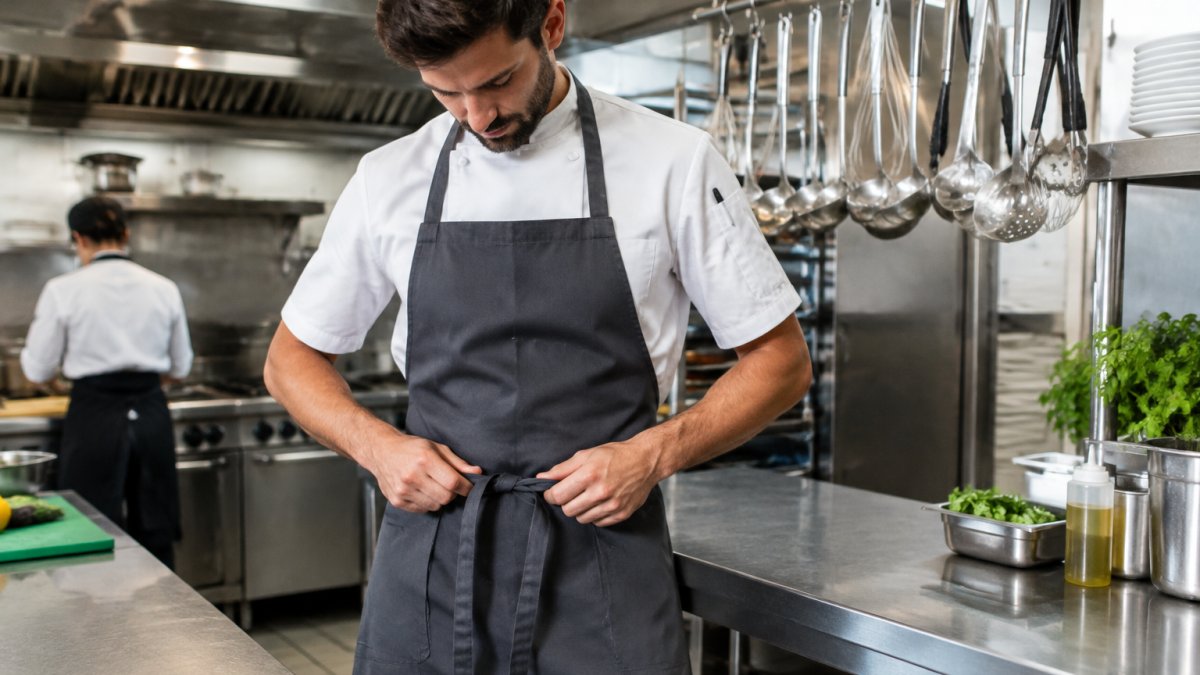
Adjustable neck straps and waist ties matter more than people expect. A one-size-fits-most apron with proper adjustment avoids the neck strain that comes from fixed loop styles. Pockets are a genuine decision point: open pockets speed up service, while a flat front suits staff who clip tools to a belt.
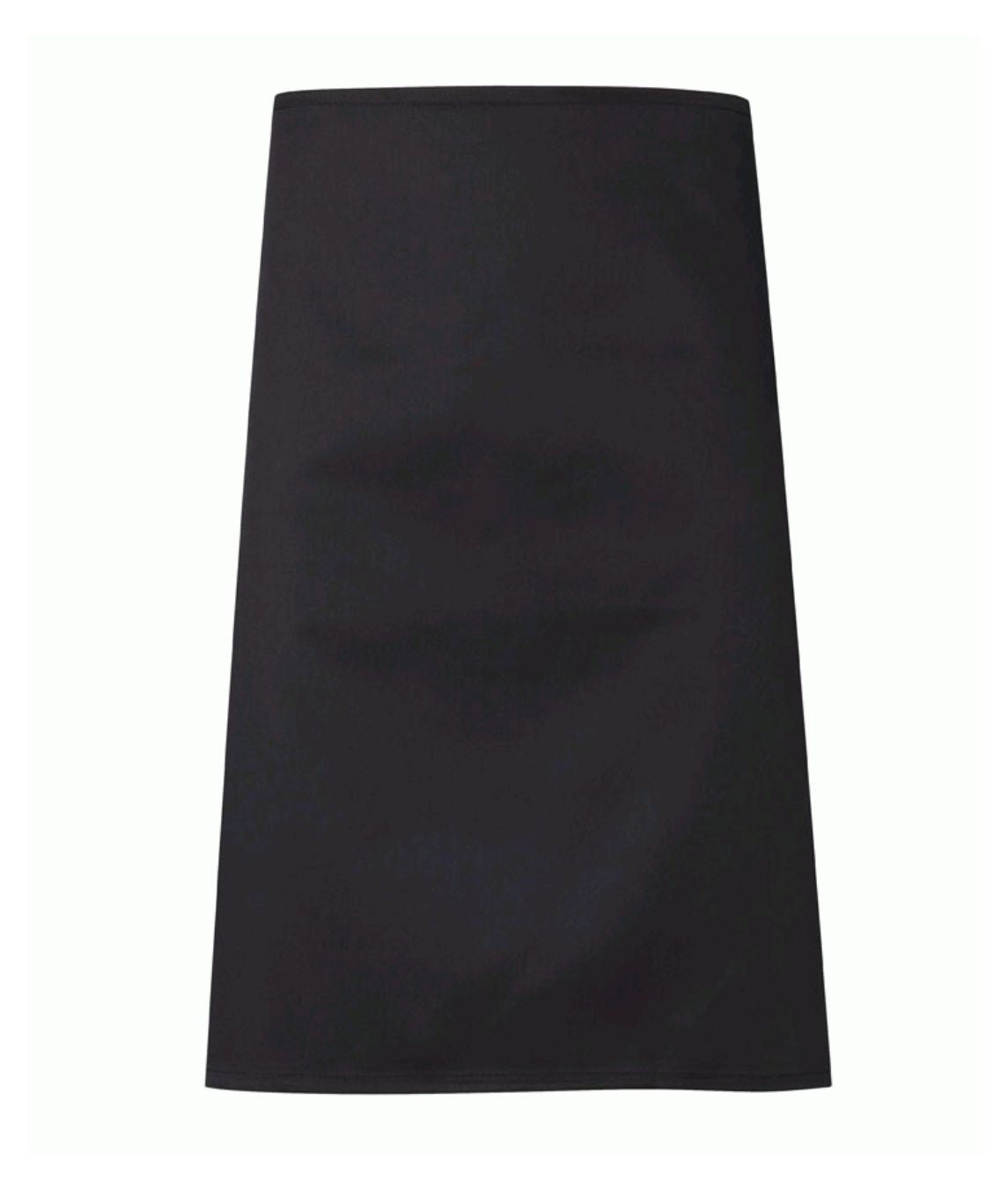
Our Adjustable Unisex Bib Apron at £5.77 covers the chest and waist with an adjustable neck strap, while the Poly-Cotton Knee Apron 60cm at £3.30 keeps the chest free.
A Practical Chef Uniform Sizing Guide for Different Body Types
Sizing is the most common source of returns and the most common reason staff stop wearing a uniform properly. The fix is to measure, not guess, and to check fit at the points where movement actually happens.
Start with four measurements taken over light clothing, keeping the tape level and snug but not tight:
- Chest at the fullest point, tape under the arms and across the shoulder blades
- Waist at the natural waistline, not where trousers sit
- Shoulder width, seam to seam on a garment that already fits
- Sleeve length from shoulder seam to wrist bone, or to mid-forearm for short-sleeve styles
Then run three fit checks before committing a team order:
- Raise both arms overhead: the jacket hem should not rise above the waistband
- Cross your arms and reach for an imaginary shelf: the back should not pull tight across the shoulder blades
- Squat and twist: trousers should not bind at the crotch or gap at the back waist
For broader shoulders or a fuller chest, size up on the jacket and take in the waist if needed. A jacket that is slightly loose still moves; one that is tight across the back does not. For taller staff, check jacket body length, since a short body rides up when reaching and exposes the lower back.
For anyone between sizes, choose the larger one and use the apron ties to bring in the waist.
Inclusive fit matters for mixed teams. Staff with a narrower shoulder or a defined waist may need to size down on the jacket and rely on apron ties for shape.
A useful rule is to order one sample in the middle size before committing a full team order, so staff can test the fit checks above in a real kitchen rather than a changing room.
Chef Uniform Care: Washing, Lifespan and Lifecycle Cost
Chef uniform care is mostly about temperature, consistency and drying method. Wash polycotton at a moderate temperature, avoid overloading the machine, and skip fabric softener, which coats the fibres and reduces breathability over time.
Check the care label before choosing a wash temperature, and reserve hotter cycles for stain treatment only where the label allows it.
Drying matters as much as washing. Tumble drying on a high setting is the fastest route to shrinkage and seam distortion; line drying or a low tumble setting keeps garment dimensions stable across batches.
Stain treatment should be targeted, not blanket. Blot rather than rub, treat grease with a small amount of washing-up liquid before the main wash, and avoid harsh bleaching agents, which shorten fabric life considerably.
Lifecycle cost is where cheap uniforms lose. A garment that fades or frays within a season costs more than its purchase price once you factor in replacement and reordering admin.
To compare garments fairly, work out cost per wear rather than sticker price. Divide the purchase price by the number of shifts you expect the garment to survive, then add the cost of replacement and reordering admin for the cheaper option.
Kitting Out Your Kitchen Team with EG Clothing
Kitting out a full team is a procurement exercise, not a shopping trip. The practical sequence is: agree the roles, choose fabric and style per role, take measurements, order a sample, then place the full order with branding applied consistently.
EG Clothing handles embroidery and printing in-house, and holds UK stock. Our hospitality uniform guide walks through the wider team-kitting process if you're planning a full rollout.
Most kitchen teams don't need a bigger uniform budget. They need the right fabric weight, the right apron for each role, and sizing that's actually measured. That's the difference between a uniform staff tolerate and one they wear properly.
Get started with EG Clothing and kit your team out in comfortable, branded chef uniforms with in-house embroidery, fast turnaround and UK stock.
Frequently Asked Questions
What should you look for in a comfortable chef uniform?
Prioritise fabric weight, fit and freedom of movement. A 195GSM polycotton blend balances breathability with durability, while short sleeves and a cutaway collar reduce heat build-up on busy lines. Check that jackets allow a full range of arm motion, that trousers have an adjustable waist, and that apron straps sit without digging in. Comfort across a full shift comes from the combination, not one item, so try the full set together before committing a team order.
Which fabric is best for chef uniforms?
Polycotton blends, typically 65% polyester and 35% cotton, are the practical choice for most kitchens. The cotton content keeps the fabric comfortable against the skin, while the polyester adds abrasion resistance and helps the garment hold its shape and colour through repeated washing. Pure cotton feels softer initially but creases more and dries slower. For hot kitchens, look for breathable chef clothing with a lower fabric weight and mesh panels where available.
How should a chef jacket fit?
A chef jacket should sit close enough to look professional but leave room to reach, lift and bend without pulling across the shoulders. The sleeve seam should allow full arm rotation, and the collar should not press against the throat. If you are between sizes, size up rather than down, since a tight jacket restricts movement and traps heat. Short-sleeve styles with a mandarin collar give more mobility than traditional long-sleeve coats in warm kitchens.
What type of apron is best for chefs?
It depends on the role. Bib aprons give full chest and waist coverage for messy prep work and butchery. Waist and short aprons suit front-of-house, baristas and servers who need speed and easy access to pockets. Knee-length aprons protect the front without neck strain. A 60cm knee apron or an 84cm long apron in 65/35 polycotton at 195GSM handles repeated washing well, and adjustable herringbone tape ties keep the fit secure across body types.
Are lightweight chef jackets suitable for hot kitchens?
Yes, provided the fabric is breathable and the cut allows airflow. A 195GSM polycotton jacket with short sleeves and a cutaway mandarin collar reduces heat build-up compared with heavier long-sleeve coats. Lightweight does not mean flimsy: check the stitching and fastenings, and confirm the fabric weight is stated. Pairing a lighter jacket with a breathable apron keeps the core cool while still protecting against splashes and stains.
How do you choose the right size chef uniform?
Measure chest, waist and inside leg rather than relying on stated sizes, since cuts vary between suppliers. Allow extra room at the shoulders and waist for movement during a shift. For aprons, adjustable neck straps and waist ties cover a range of body types, so one size fits most. If you are ordering for a team, collect measurements from each person and check the supplier's size chart before placing a bulk order to avoid returns.
How should chef uniforms be washed and cared for?
Wash uniforms at the temperature stated on the care label, usually 40 to 60 degrees for polycotton, and avoid overloading the machine so stains rinse out properly. Turn garments inside out before washing to protect embroidery, and avoid fabric softener, which can reduce absorbency. Tumble dry on low or hang to dry. Checking colourfastness and seam integrity after the first few washes tells you whether the garment will hold up to daily use.
What should a restaurant consider when choosing uniforms for its kitchen team?
Match the uniform to the role: line cooks need breathable jackets and full-coverage aprons, while front-of-house staff may prefer short aprons with pockets. Order enough sets for each person to rotate through a week of shifts. Confirm fabric weight, wash performance and whether custom embroidery or printing is included in the price. Consistency across repeat orders matters too, so ask how logo placement is controlled between batches.
