

Table of Contents
- What Makes Durable Branded Uniforms Essential for Hospitality
- Hospitality Uniform Collections: Front-of-House and Back-of-House Apparel
- Durable Workwear Fabrics That Withstand Commercial Laundering
- Embroidered Workwear for Hospitality: Logo Placement and Durability
- Comparison Table: Hospitality Uniform Options by Department and Role
- Total Cost of Ownership: Replacement Frequency and Garment Lifespan
- Sizing and Fit Across Hospitality Roles
- Frequently Asked Questions
Last Updated: October 13, 2026
What Makes Durable Branded Uniforms Essential for Hospitality
When your team represents your brand every shift, the uniform becomes more than clothing. Durable branded uniforms for hospitality communicate professionalism, build guest trust, and create the visual cohesion that turns staff into a unified team.
Hospitality apparel must withstand constant movement, repeated commercial laundering, and busy service environments. A polo that fades after 20 washes, embroidery that cracks, or trousers that lose shape undermine your brand identity and force costly replacements, plus inventory churn and inconsistent appearance.
Teams struggle with durability when they prioritise upfront cost over lifecycle performance. This guide covers which fabrics hold up, how to protect embroidery and logos, and how to calculate true cost of ownership.
Whether you're outfitting a 10-person restaurant or a 100-bed hotel, these principles apply.
Hospitality Uniform Collections: Front-of-House and Back-of-House Apparel
Hospitality uniform needs split into front-of-house, where guests see your staff, and back-of-house, where function and safety dominate. Each demands different apparel, durability priorities, and customisation.
Front-of-House Uniforms for Hotel Staff
Front-of-house staff are your brand ambassadors. Reception, concierge, bell staff, and spa attendants must project polish and consistency, so their uniforms need to look sharp after 50+ washes, resist wrinkles, and maintain colour under fluorescent and natural light.
The Pro RTX Piqué Polo Shirt is a proven choice for front-of-house teams. Its durable poly-cotton piqué blend withstands 60°C machine washing and holds embroidered logos without distortion. The taped neck reduces chafing, the ribbed collar keeps structure, and at £6.25 per unit it's cost-effective for consistent branded apparel.
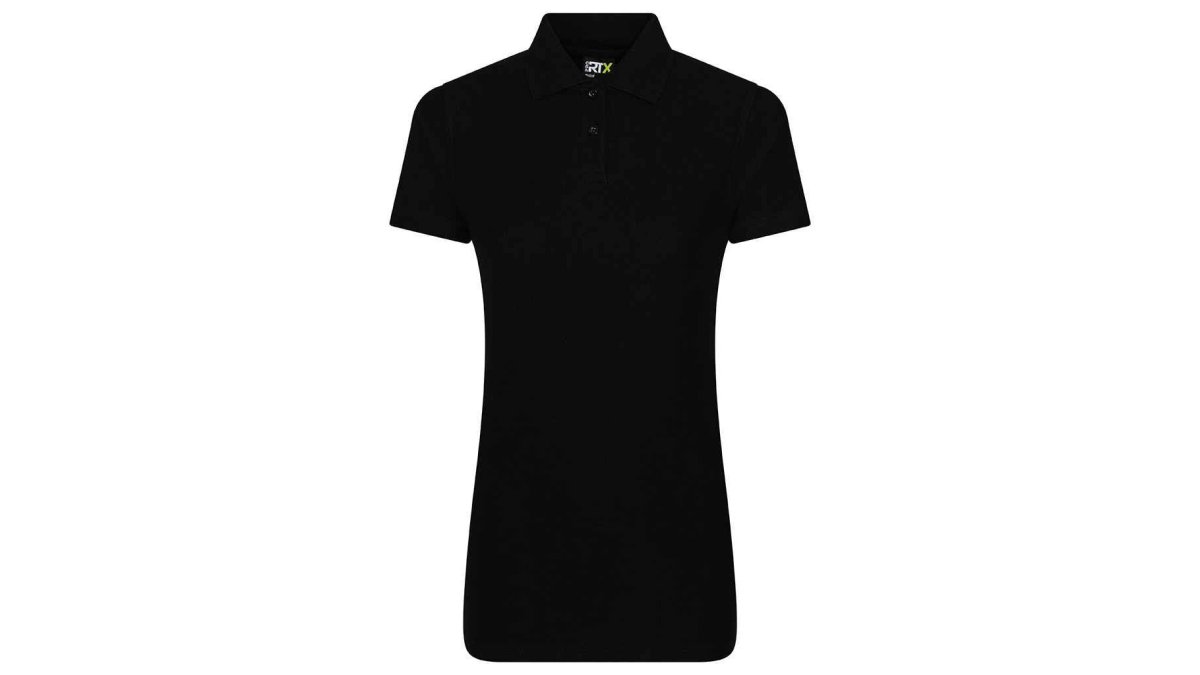
For women on your front desk or concierge team, the Pro RTX Ladies Pro Piqué Polo Shirt offers the same durability in a tailored fit. Twin needle stitching reinforces high-stress seams, and it's machine washable at 60°C with embroidery retention, priced at £6.58.
Complement the polos with the Unisex Short Apron with 3 Pockets (£5.11). At 33cm, it provides coverage without bulk, the three open pockets hold order pads and tools, and herringbone tape ties adjust across body sizes.
Back-of-House Kitchen Uniforms for Restaurant Staff
Kitchen environments are harsher. Heat, moisture, grease splashes, and constant movement demand apparel that breathes, resists staining, and survives daily commercial washing. Back-of-house uniforms prioritise function, though branded consistency still matters.
The Chef's Jacket Unisex Long Sleeve (£12.70) is a unisex kitchen jacket made from a 65% polyester 35% cotton blend at 195GSM that balances breathability with durability for daily kitchen use.

For kitchens where mobility matters more, the Chef's Jacket Unisex Short Sleeve (£11.96) delivers the same fabric quality with reduced heat build-up. Short sleeves increase range of motion on prep lines, and the integrated pen pocket keeps thermometers and pens accessible.
Pair jackets with Unisex Chef Trousers in Black (£12.21). The 65% polyester, 35% cotton blend at 195GSM resists wear and maintains shape. The elasticated waistband with adjustable drawstring ensures a secure fit, two side pockets plus a rear pocket store tools, and the inside leg suits most staff.
Complete the kitchen uniform with the Unisex Chef Hat (£2.72). The adjustable Velcro back fastening gives a secure custom fit, and the low-profile style pairs with standard chef jackets.
For prep work, the Poly-Cotton Knee Apron 60cm (£3.30) layers over jacket and trousers. At 195GSM with herringbone tape ties, the 60cm length provides front coverage without limiting mobility, and the no-pocket design keeps the front flat for tool clips.
Durable Workwear Fabrics That Withstand Commercial Laundering
The difference between a uniform that lasts one season and one that lasts three comes down to fabric. Hospitality uniforms face 50+ wash cycles per year, often at 60°C or higher, and the wrong fabric choice leads to fading, shrinkage, and seam failure.
Poly-cotton blends dominate professional workwear for good reason. The 65% polyester, 35% cotton combination used across EG Clothing's chef jackets, trousers, and aprons delivers measurable durability: polyester resists shrinkage and fading, cotton provides breathability. At 195GSM, this blend resists pilling and tearing while drying quickly.
Piqué weaves, used in the Pro RTX Polo Shirts, add another layer of durability. The raised woven pattern resists wrinkles and maintains shape, and piqué tested to 60°C washing retains definition and colour better than single-knit cotton, making it ideal for embroidered logos.
Herringbone tape ties on aprons resist fraying through dozens of washes. The diagonal weave distributes stress across the fabric rather than concentrating it at one point, extending the lifespan of ties that would otherwise tear.
Fabric weight matters. The 195GSM standard across most EG Clothing items provides durability without excess bulk. Lighter fabrics (under 150GSM) pill and tear; heavier fabrics (over 250GSM) retain moisture and create hygiene issues. 195GSM sits in the sweet spot for hospitality workwear.
Embroidered Workwear for Hospitality: Logo Placement and Durability
Embroidery makes a uniform a branded uniform, but its durability depends on thread quality, stitch density, and base fabric performance. Logos that crack, fade, or separate undermine your brand investment.
The Pro RTX Piqué Polo Shirts are designed for embroidered branding. The structured piqué weave provides a stable base for needle penetration, and the poly-cotton blend resists stress that pulls stitches loose. Through 60°C washing cycles, embroidery on piqué retains definition and colour far better than single-knit alternatives.
Logo placement affects durability. Chest placement on polos and jackets is ideal: the fabric stretches least there and sits flat. Pocket placement concentrates stress and flex, causing earlier thread fatigue, while sleeve placement faces constant friction from arm movement and premature stitch separation.
Thread quality determines colour retention. High-quality polyester embroidery thread resists fading through industrial washing better than cotton, and it must be rated for your wash temperature, 60°C or higher.
Stitch density affects durability. Dense stitching (over 400 stitches per square inch) creates a solid logo that resists fraying; sparse stitching looks lighter but fails faster under repeated washing and movement.
Comparison Table: Hospitality Uniform Options by Department and Role
| Garment Type | Best For | Fabric | Price | Wash Rating | Customisable |
|---|---|---|---|---|---|
| Pro RTX Piqué Polo | Front-of-house staff, guest-facing roles | Poly-cotton piqué | £6.25 | 60°C | Yes, embroidery |
| Pro RTX Ladies Polo | Female front-of-house staff, reception, spa | Poly-cotton piqué, tailored fit | £6.58 | 60°C | Yes, embroidery |
| Chef's Jacket Long Sleeve | Kitchen staff, prep lines, service | 65% poly, 35% cotton, 195GSM | £12.70 | 60°C | Yes, embroidery |
| Chef's Jacket Short Sleeve | Hot kitchens, mobility-focused roles | 65% poly, 35% cotton, 195GSM | £11.96 | 60°C | Yes, embroidery |
| Chef Trousers Black | All kitchen staff | 65% poly, 35% cotton, 195GSM | £12.21 | 60°C | Limited |
| Bib Apron | Front-of-house, food service, protection | Poly-cotton blend | £5.77 | Machine washable | Yes, embroidery |
| Short Apron 3 Pockets | Baristas, servers, front-of-house | 65% poly, 35% cotton, 195GSM | £5.11 | 60°C | Yes, embroidery |
| Knee Apron 60cm | Kitchen staff, prep areas | 65% poly, 35% cotton, 195GSM | £3.30 | 60°C | Yes, embroidery |
| Chef Hat | Kitchen staff, hygiene requirement | 65% poly, 35% cotton, 195GSM | £2.72 | 60°C | Yes, embroidery |
| Chef Bandana | Kitchen staff, hair control | 65% poly, 35% cotton, 195GSM | £3.71 | 60°C | Yes, embroidery |
Total Cost of Ownership: Replacement Frequency and Garment Lifespan
Upfront price is misleading. A £4 apron replaced after 50 washes costs more than a £5.77 apron lasting 150. Calculate true cost by dividing garment price by expected wash cycles.

A quality poly-cotton chef jacket at 195GSM typically survives 100-150 wash cycles before visible wear prompts replacement. At 60 washes per year, that's 18-30 months of service.
For a team of 10 kitchen staff, each needing 2 jackets for rotation:
- Quality jackets at £12.70, lasting 150 washes = £0.085 per wash
- Budget jackets at £8, lasting 60 washes = £0.133 per wash
Over three years, the quality option costs less despite higher upfront spend.
Aprons see even heavier use. A bib apron absorbs spills that would stain the polo, extending its lifespan by 25-50%. At £5.77, if it extends a £6.25 polo from 80 to 120 washes, the apron pays for itself through reduced shirt replacement.

Embroidery durability affects replacement frequency. Logos that fade or crack prompt staff to request fresh uniforms earlier than fabric wear would justify. High-quality embroidery on piqué survives 150+ wash cycles; poor embroidery fails after 40-50, driving replacement costs up 30-50%.
Sizing and Fit Across Hospitality Roles
Uniform fit affects durability and staff satisfaction. Poorly fitting garments create stress points where seams fail, oversized uniforms bunch and wrinkle, and undersized uniforms stretch at seams and restrict movement.
EG Clothing's unisex sizing accommodates many body shapes.
For front-of-house roles, the Pro RTX Ladies Polo offers tailored shaping for female staff, while the standard Pro RTX Polo provides a classic fit for male and non-binary staff, maintaining consistent brand appearance.
Aprons use adjustable neck straps and waist ties. The Bib Apron and Short Apron both feature herringbone tape ties that adjust across many body types, reducing size runs and simplifying inventory.
Chef hats use Velcro adjustment for a custom fit, eliminating multiple hat sizes and ensuring consistent appearance across your kitchen.
When ordering, measure your team across roles and provide EG Clothing with size ranges and body shape diversity, since reception staff may skew smaller than kitchen staff.
The difference between uniforms that fade after a season and ones that stay sharp for years comes down to fabric quality, construction rigour, and branding durability.
With in-house embroidery and print services, EG Clothing guarantees logo durability that survives 60°C commercial washing, with fast turnaround times.
Start branding your hospitality uniforms with EG Clothing. Visit https://egclothing.co.uk to explore the collection.
Frequently Asked Questions
What makes a hospitality uniform durable?
Durable hospitality uniforms combine high-quality fabric (typically 65% polyester 35% cotton blends at 195GSM or higher), reinforced stitching, and construction tested for frequent commercial laundering at 60°C. Poly-cotton fabrics resist pilling, maintain colour after repeated washes, and recover shape better than pure cotton. Look for garments with taped seams, double-stitched stress points, and metal or reinforced fastenings that withstand daily wear and high-temperature washing cycles.
How often should hospitality uniforms be replaced?
Garment lifespan depends on fabric weight and laundering frequency. A 195GSM poly-cotton uniform worn daily and washed weekly typically lasts 12-18 months before visible wear (fading, seam stress, or shape loss). High-traffic roles like kitchen or housekeeping may see shorter lifespans (9-12 months) due to stain exposure and friction. Budget replacement cycles into procurement planning and maintain a rotating stock so worn items can be phased out without disrupting service.
Which fabrics are best for hospitality uniforms?
Poly-cotton blends (65% polyester, 35% cotton) at 195GSM weight are industry standard for hospitality. Polyester adds durability, colour retention, and quick-drying properties; cotton provides breathability and comfort. This blend withstands 60°C commercial washes, resists staining better than pure cotton, and maintains professional appearance longer. Avoid 100% cotton or lightweight single-knit fabrics, which fade faster and lose shape after repeated industrial laundering.
How should hospitality uniforms be branded with logos?
Embroidery is the most durable branding method for hospitality uniforms because it withstands 60°C washing and repeated dry cleaning without cracking or fading. Position logos on the chest (approximately 3-4 inches from the neckline) or sleeve for visibility and brand consistency. Ensure embroidery thread matches fabric colour and use quality thread that resists fraying. Test embroidered samples through commercial laundering cycles before full rollout to confirm durability and appearance retention across all garment batches.
What's the total cost of ownership for branded hospitality uniforms?
Calculate cost per garment per wear-cycle: divide the unit price by expected lifespan in washes. A £12 chef jacket lasting 12 months of twice-weekly washes (approximately 100 washes) costs £0.12 per wear. Add embroidery costs (typically £2-5 per garment), laundering expenses if outsourced, and replacement stock. Bulk ordering and multi-year contracts reduce per-unit cost. Compare upfront investment against durability: higher-quality fabrics reduce replacement frequency and total lifecycle cost, even if unit price is higher.