

Quick Summary
Choose safety boots by first assessing the hazards in your warehouse, such as falling objects, forklift traffic and slippery floors. Match toe protection to areas with heavy loads and pick a slip-resistant outsole rated for the worst conditions your team crosses. Walking the site with a supervisor helps reveal these risks.
- Start with a hazard assessment before anyone buys footwear.
- Note where loads are lifted, stacked, and moved near forklift routes.
- Toe protection matters most where falling object risks are highest.
- Check spill-prone areas, washdown points, and rain-exposed loading bays.
- Match the outsole to the worst area, not the average floor.
Table of Contents
Start With a Warehouse Hazard Assessment
Last Updated: November 14, 2026
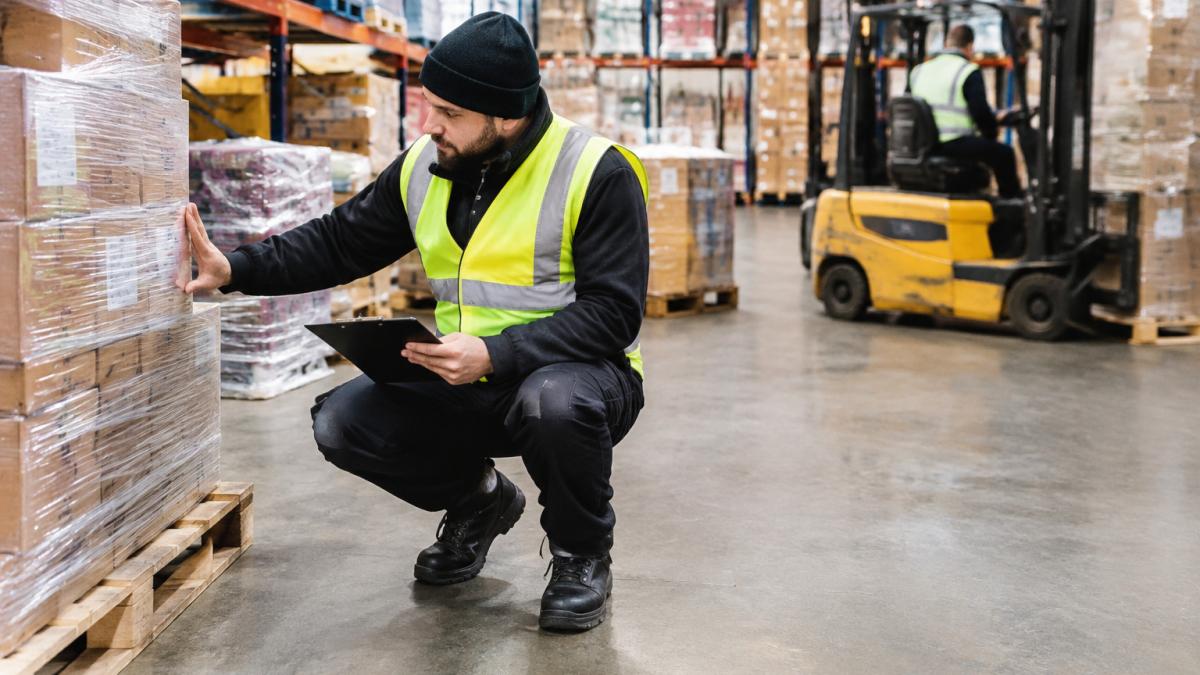
Choosing safety boots for warehouse work starts with knowing what the floor throws at your feet. Every site has different risks, so the right pair of safety boots depends on the job. A hazard assessment before anyone buys footwear helps, because a boot that suits a packing team may not suit a loading bay.
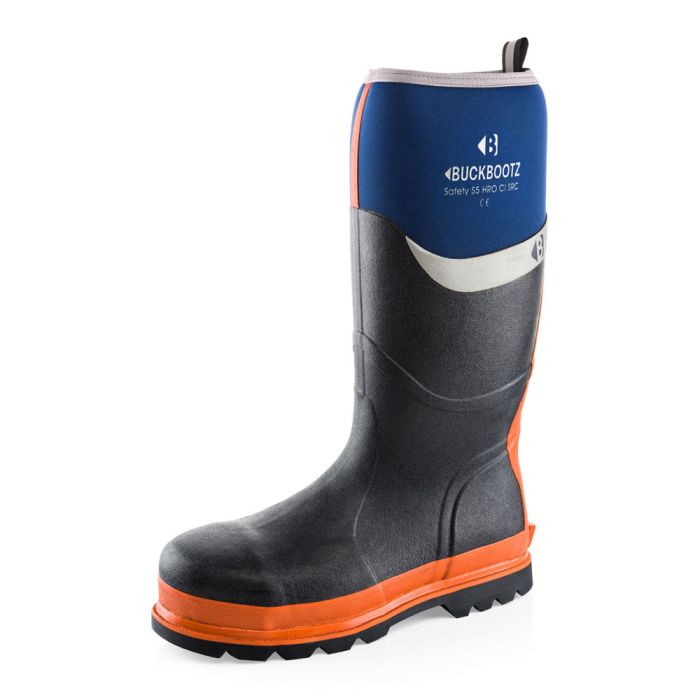
Look at the tasks people perform each day. Ask where materials are moved, what gets dropped, and where vehicles travel. A short walk around the site with a supervisor often reveals more than a formal checklist.
Falling objects, heavy loads and forklift traffic
Falling objects are one of the most common foot hazards in warehouses. Pallets, cartons and metal parts can land on toes, especially when stock is stacked high or handled by hand. Forklift traffic adds another risk, since a loaded truck can roll over a foot if the operator and pedestrian paths cross. Because avoiding a crush injury is only part of staying safe on long warehouse shifts, comfortable boots for long shifts should also support steady movement and reduce fatigue.
When you assess these risks, note:
- Where loads are lifted, lowered or stacked
- Which walkways run close to forklift routes
- Whether workers handle heavy items by hand
- How often pallets are moved past foot level
Toe protection matters most where these risks are highest.
Wet floors, oil and slip risks
Slips are a major cause of warehouse injuries, and they often happen near loading areas, chilled stores or places where liquids leak from packaging. Oil, cleaning fluids and condensation can make an otherwise safe floor dangerous.
Check these areas during your assessment:
- Spots where spills happen often
- Floors near washdown or cleaning points
- Loading bays exposed to rain
- Areas with worn or painted surfaces
Pick boots with a slip-resistant outsole rated for the conditions you found.
Watch out: Do not assume one boot works across every zone. A sole that grips well on dry concrete can fail on a greasy floor, so match the outsole to the worst area your team crosses.
Frequently Asked Questions
What safety boots are best for warehouse work?
The best boots depend on the hazards on your site. For most warehouse roles, a certified S3 or S1P boot with a toe cap, a puncture-resistant midsole and an SRC-rated slip-resistant sole covers the main risks. Choose a pair that is lightweight enough for long shifts and has a breathable lining. EG Clothing stocks the Result Work-Guard Stirling Safety Boots in Black/Grey, which meet EN ISO 20345:2011 S3 SRC and feature a composite toe cap, composite midsole, water and oil resistance, and an energy-absorbing heel. Always check the label and your employer's risk assessment before buying.
Do warehouse workers need steel toe boots?
Not always, but a toe cap is usually required where there is a risk of falling objects or heavy loads. Your employer's risk assessment should determine what is needed, and the Health and Safety Executive's guidance on personal protective equipment is the official source to check. Steel toe caps offer strong impact protection, while composite toe caps are lighter, do not conduct cold and are often more comfortable over long shifts. Both can meet the same EN ISO 20345 impact rating when certified correctly, so check the label rather than the material alone.
Are S1P or S3 safety boots better for warehouse work?
S3 boots are the more protective option for most warehouse environments. They include a toe cap, a puncture-resistant midsole and a sole with water-penetration and energy-absorption requirements, which suits sites with mixed hazards. S1P boots have a toe cap and puncture-resistant midsole but are not designed for the same wet or outdoor conditions. If your warehouse is dry and indoors with low risk of penetration, S1P can be adequate, but S3 is the safer default for most warehouse roles.
How should safety boots fit?
Safety boots should fit snugly around the heel with room to wiggle your toes, roughly a thumb's width from the toe cap at the end of the boot. Try them on in the afternoon when feet are slightly swollen, and wear the socks you will use at work. Check that the ankle is supported without pinching, and that you can walk and bend comfortably. Allow for a short break-in period, and replace boots if they begin to feel loose or cause pain during long shifts.
